
Handyman Business Franchise in the USA: Costs, Top Brands, And Fees
Homeowners always have a list: a leaking faucet, a squeaky door, a sagging fence, a drywall hole nobody wants to patch. Many of them don’t want a big contractor for small jobs, and they can’t find a reliable person to call. That gap is why a handyman business franchise appeals to people who want to enter home services without building a brand from scratch.
But a franchise is a serious financial commitment, often six figures, and it isn’t the same as starting a small handyman business on your own. This guide explains how handyman franchises work, what they really cost, how the main brands compare, and how to decide whether one is worth it.

Quick Answer: Handyman Franchise at a Glance
| Topic | What to know |
|---|---|
| Typical total investment | About $70,000 to $225,000+, depending on the brand |
| Franchise fee | Roughly $7,500 to $100,000, depending on brand and source |
| Ongoing royalty | Commonly 6% to 7% of gross sales |
| Brand or ad fund | Often around 2% to 3% of gross sales |
| Contract length | Often 10 years |
| Key document | Franchise Disclosure Document (FDD) |
| Who does the repair work? | Often W-2 craftspeople, with the owner managing the business |
| Alternative | Starting an independent handyman business for far less |
What Is a Handyman Business Franchise?
A handyman franchise is a business license that lets you operate under an existing brand name, using its systems, training, marketing, and technology. In return, you pay an upfront franchise fee and ongoing royalties, usually as a percentage of your gross sales.
Many handyman franchises focus on small to medium home repair and maintenance projects, such as carpentry, drywall, flooring, minor electrical work, and general repairs. In several of the larger systems, the owner is expected to run the business, handle sales and scheduling, and manage employees, not do all the repairs personally.
How Much Does a Handyman Franchise Cost?
Costs vary widely, and different sources report different numbers because they’re drawn from different years of the FDD. Here’s a snapshot based on 2026 reports. Treat it as a starting point, not a quote.
| Brand | Reported total investment | Franchise fee | Ongoing fees |
|---|---|---|---|
| Ace Handyman Services | About $131,000 to $227,000 (a smaller “Mini” format is about $97,000 to $171,000) | $70,000 to $100,000 | 6% royalty plus 2% brand fund |
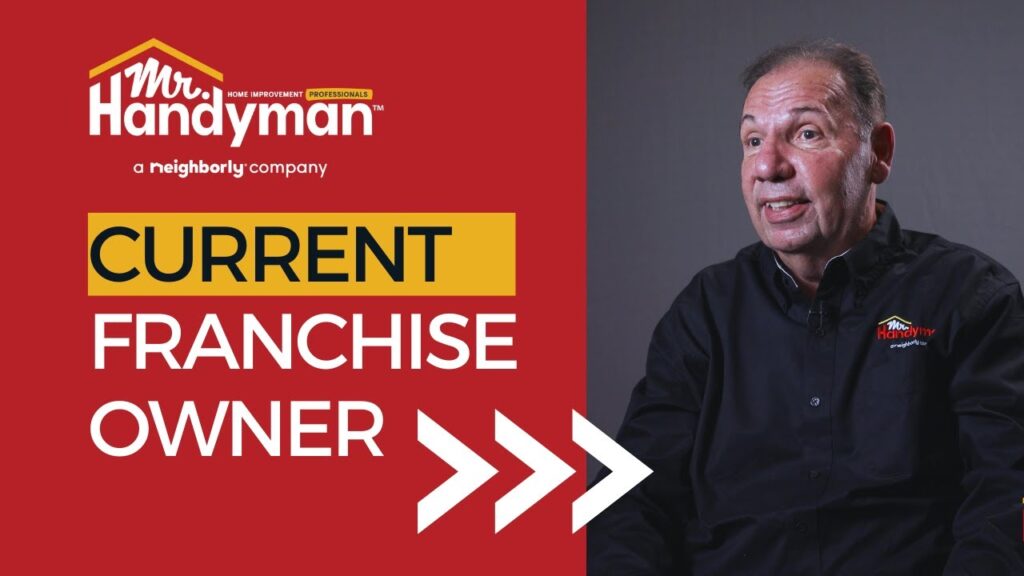
| Mr. Handyman (Neighborly) | About $117,500 to $180,000 across sources | Roughly $60,000 to $65,000 | About 7% royalty plus 2% marketing fund |
| Handyman Connection | Reported anywhere from about $99,000 to $239,000 | Reports range from $7,500 to $65,000 | 6% royalty plus 2% brand fund |
| TruBlue | About $70,000 to $96,400 | Check FDD | Check FDD |
Why do the numbers conflict? Sources use different FDD years, different formats, and different assumptions about territory size and build-out. The only number that matters is the one in the brand’s current FDD.
Is a Handyman Franchise Worth It?
It might be if you:
- Want a proven brand, training, and systems
- Prefer managing a business and team over doing the repair work yourself
- Have the capital and the ability to qualify for financing
- Are comfortable with royalties and following the franchisor’s rules
- Want help with marketing, software, and operations
It might not be if you:
- Are a skilled tradesperson who wants complete control
- Want to avoid royalty payments
- Don’t have enough working capital to survive slow months
- Are only looking for a low-cost, part-time side business
Franchises typically include training on services, sales, processes, and daily operations, which can save time and mistakes. But royalties continue for the life of the agreement, and the franchisor’s rules limit how much you can change.
Franchise vs. Independent Handyman Business:
| Factor | Handyman franchise | Independent handyman business |
|---|---|---|
| Startup cost | Often $70,000 to $225,000+ | Often a few thousand dollars or less |
| Brand recognition | Built in | You build it yourself |
| Training and systems | Provided | You create or learn them |
| Ongoing fees | Royalties and marketing fund | None |
| Control | Limited by the franchise agreement | Full control |
| Speed to scale | Often faster, with a system | Slower, depends on you |
| Best for | Owner-managers with capital | Skilled workers who want low overhead |
If your budget is small, you can start independently. Our guides on starting a lawn care business under $1,000, a cleaning business from home, and a pressure washing business show how much cheaper an independent route can be.
What Is the Franchise Disclosure Document (FDD)?
The FDD is the most important document in the process. Under the Federal Trade Commission’s Franchise Rule, a franchisor must give you the FDD at least 14 calendar days before you sign a binding agreement or pay any money. It’s organized into 23 numbered sections called “Items.”
The Items to read first:
- Item 3 (Litigation): Past and pending lawsuits involving the franchisor.
- Item 5 and Item 6: Initial fees and ongoing fees.
- Item 7: Estimated initial investment, line by line.
- Item 11: What the franchisor provides, such as training and technology.
- Item 12: Territory rights.
- Item 19: Financial performance representations, if the franchisor provides them.
- Item 20: Outlet data, including how many locations opened, closed, or transferred.
- Item 21: The franchisor’s audited financial statements.
- Item 23: Receipt page.
Tip: Item 20 includes contact details for current and former franchisees. Call as many as you can. Ask about real revenue, hidden costs, support quality, and whether they’d buy again.
Hidden Costs to Plan For:
- Working capital. New franchises often take months to reach steady income.
- Technician hiring and training. Finding reliable skilled workers is one of the hardest parts.
- Vehicles and tools, if not included in the investment.
- Local marketing requirements. Some agreements require minimum marketing spend.
- Technology fees. Monthly software and system fees can add up.
- Renewal and transfer fees at the end of the term or when selling.
- Insurance and licensing, which vary by state.
Licensing and Insurance Requirements:
Handyman licensing rules vary a lot by state. Many states limit the dollar size or type of work that a handyman can do without a contractor’s license, and some require licensed subcontractors for plumbing and electrical work. Always check with your state’s contractor licensing board before you buy, because the rules can limit which services you can offer.
You’ll also need insurance. At minimum that’s usually general liability, plus workers’ compensation as you hire employees, and commercial auto if you use vehicles. Franchisors often set minimum coverage requirements. Read our guides on small business liability insurance in the USA and how to get a certificate of insurance, which you’ll need for commercial and property-manager clients. If you’re deciding how to structure the company, see whether you need an LLC for a small business.
How to Finance a Handyman Franchise
Common options include:
- Personal savings, since lenders usually expect you to put money in
- SBA loans. Many franchises are eligible, and lenders often look at the SBA Franchise Directory
- Franchisor financing or fee discounts, where available, such as veteran discounts
- Home equity or a business loan, with careful attention to the risk
Never borrow more than you can repay if the business grows more slowly than the franchisor’s projections.
How to Choose the Right Handyman Franchise: Step by Step
- Decide your goal. Owner-manager, hands-on operator, or part-time investor?
- Set your budget, including at least three to six months of working capital.
- Check your state’s licensing rules for handyman work.
- Research the market. Use the free market research tools for startups to check demand and competition in your area.
- Shortlist two to four brands that fit your budget.
- Request the latest FDD from each brand.
- Read Items 5, 6, 7, 11, 12, 19, 20, and 21 closely.
- Call current and former franchisees listed in Item 20.
- Hire a franchise attorney and an accountant to review the documents.
- Visit the franchisor and meet the team if possible.
- Compare the total cost and support across brands.
- Take your time. Never sign under pressure.
What About Taxes?
As a franchise owner you’ll typically operate through an LLC or corporation, which affects how you’re taxed. You’ll pay income tax on profits, plus payroll taxes for employees, and royalties are generally a business expense. Talk to a CPA before choosing your structure. If you ever need to correct a return or claim an overpayment, our tax refund process guide explains the steps.
Common Mistakes to Avoid:
- Focusing only on the franchise fee and ignoring total investment and royalties.
- Skipping Item 20 calls to real franchisees.
- Believing earnings claims that aren’t in Item 19.
- Underestimating working capital.
- Ignoring state licensing limits on handyman work.
- Not hiring a franchise attorney.
- Choosing a brand because it’s cheapest instead of the best fit.
- Signing under sales pressure.
- Assuming you’ll do the repairs yourself when the model expects you to manage a team.
Final Thoughts:
A handyman business franchise can be a strong way to enter home services if you have the capital, want a proven system, and are comfortable managing people and paying royalties. It isn’t the right fit for everyone, especially if you want low startup costs or total control over your business.
Whatever you choose, do the homework: compare total investment instead of just franchise fees, read the FDD closely, talk to current franchisees, and get professional advice before you sign.
Take Action Today:
Take three steps this week. Request the latest FDD from two or three handyman franchise brands, check your state’s handyman licensing rules, and write down your budget including at least three to six months of working capital. Then make a list of questions to ask current franchisees. Save this guide so you can follow the steps as you compare your options.
Experience and Expertise:
Why you can trust this guide: I’ve been writing about business and personal finance for three years, and this site focuses on practical small business ideas and how to start them. I build these guides from current franchise comparison resources, public disclosure summaries, and small business resources, and I flag where numbers differ between sources. This guide is for general education and is not legal, financial, or investment advice.
Sources and Further Reading:
- House call Pro, Handyman Business Franchise: https://www.housecallpro.com/resources/handyman-business-franchise/
- Service Titan, 9 Top Handyman Franchise Opportunities: https://www.servicetitan.com/blog/handyman-franchises
- Jobber, Best Handyman Franchise Opportunities: https://www.getjobber.com/academy/handyman/handyman-franchise-opportunities/
- L ’Express Franchise, Ace Handyman Services: https://lexpress-franchise.com/en-us/franchise/ace-handyman-services/
- Franchise Overview, Mr. Handyman: https://franchiseoverview.com/company/mr-handyman
- Franchise Overview, Handyman Connection: https://franchiseoverview.com/company/handyman-connection
- FTC, Franchise Rule and Franchise Disclosure Document guidance: https://www.ftc.gov/business-guidance/resources/franchise-rule-compliance-guide
- SBA, Franchise Directory: https://www.sba.gov/federal-contracting/contracting-guide/franchise-directory
- Your state’s contractor licensing board
- Each brand’s official franchise website and its current FDD
Transparency Note:
This article is for general information only. I have no financial relationship with any franchise brand mentioned, and I am not recommending any specific franchise.
How this guide was prepared:
This guide is based on 2026 franchise comparison articles, brand disclosure summaries, and franchise industry resources. Fees and investment ranges change every year and differ between sources, so always confirm the numbers in each brand’s current FDD with a franchise attorney. This article is for general education and is not legal, financial, or investment advice.
Frequently Asked Questions:
How much does a handyman franchise cost?
Total investment commonly ranges from about $70,000 to over $225,000 depending on the brand, with franchise fees from roughly $7,500 to $100,000 depending on the system and source.
What are the royalty fees for a handyman franchise?
Many brands charge about 6% to 7% of gross sales, plus about 2% to 3% for a brand or marketing fund, so check each FDD.
Do I need to be a handyman to own a handyman franchise?
Not always. Several systems are designed for owner-managers who run the business while skilled craftspeople do the repair work.
Which is the best handyman franchise?
It depends on your budget, territory, and goals. Compare Ace Handyman Services, Mr. Handyman, Handyman Connection, True Blue, and others using their current FDDs.
What is an FDD?
The Franchise Disclosure Document is a legal disclosure that franchisors must give prospective buyers at least 14 calendar days before signing or paying.
How much can a handyman franchise owner earn?
It varies widely. Look at Item 19 if the franchisor provides it, and ask current franchisees about actual results. Don’t rely on sales promises.
Can I start a handyman business without a franchise?
Yes. An independent handyman business costs far less to start, but you build your own brand, systems, and customer base.
Do I need a license to run a handyman business?
Often, yes. Rules differ by state, and many states cap the dollar value or type of work you can do without a contractor’s license.

Author is the founder and lead writer at SmartWebCreator.org, a resource dedicated to helping aspiring entrepreneurs launch profitable small businesses on a budget of $1,000 or less. With a focus on practical, research-backed guidance, Naeem Iqbal researches real-world startup costs, regulatory requirements, and growth strategies across dozens of low-investment business models — from food service to home-based ventures.
Every guide on SmartWebCreator.org is written to help beginners avoid costly mistakes, understand legal requirements, and build a realistic path from idea to income — without needing a large upfront investment.
📧 Contact: webcreator2474@gmail.com
🌐 Website: smartwebcreator.org