
How to Get a Certificate of Insurance for a Small Business
You’ve just landed your first big client, or signed a lease for a small shop. Then comes the email: “Please send us your certificate of insurance before we start.” If you’ve never heard the term, it can feel like a roadblock. How to get a certificate of insurance for a small business
Good news: it usually isn’t. If you already have business insurance, getting a certificate is often free and fast. If you don’t, this is the moment to fix that. This guide explains what a certificate is, who asks for one, and how to get a certificate of insurance for a small business without delays or costly mistakes.

Quick Answer: Certificate of Insurance for a Small Business
To get a certificate of insurance (COI), contact the insurance agent, broker, or company that issued your policy and ask them to issue one. Give them the name and address of the person or business requesting it, plus any special wording the contract requires. Most small businesses receive it within a day or two, and many get it instantly online. It’s typically free.
| Step | What to do |
|---|---|
| 1 | Make sure you have an active business policy |
| 2 | Read what the requester needs (limits, wording, additional insured) |
| 3 | Contact your agent or log in to your insurer’s portal |
| 4 | Provide the certificate holder’s name and address |
| 5 | Request any endorsements the contract demands |
| 6 | Review the COI for errors |
| 7 | Send it and save a copy |
What Is a Certificate of Insurance? Certificate of Insurance for a Small Business
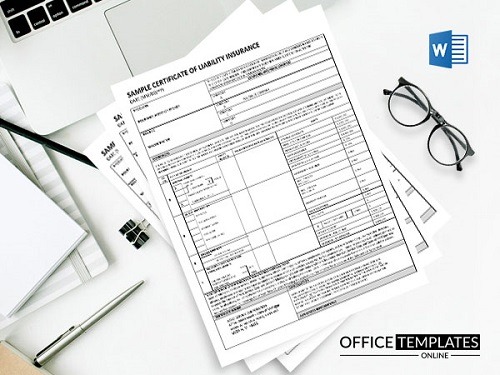
A certificate of insurance is a short document, usually one page, that proves you have an active business insurance policy. It summarizes the key details of your coverage, such as the policy dates and limits. Think of it as the highlights reel of your policy, not the policy itself.
Most certificates use a standard template created by ACORD, an organization that standardizes insurance forms. For liability coverage, the common form is the ACORD 25, which is why people sometimes call a COI an “ACORD certificate.” It’s often delivered as a PDF.
One important point: a COI is proof of coverage, not coverage itself. It doesn’t change your policy, and it doesn’t add protection on its own.
What Information Is on a COI? Certificate of Insurance for a Small Business
Although layouts vary, a typical certificate shows:
- Your business name and address (the insured)
- The insurance company and policy numbers
- Policy effective and expiration dates
- Types of coverage, such as general liability, auto, workers’ compensation, or umbrella
- Coverage limits, including per-occurrence and aggregate amounts
- The certificate holder: the person or business who requested the document
- A description section that can note additional insured status or other special wording
- Your agent’s or insurer’s details
Always check the dates and limits first. These are the details people most often reject a certificate over.
Who Asks Small Businesses for a COI? Certificate of Insurance for a Small Business
You may be asked for one more often than you expect. Common requesters include:
- Landlords, who usually require tenants to carry liability coverage
- Clients and general contractors, who want proof you can cover damage or injury caused by your work
- Event venues and organizers, such as markets, fairs, and festivals
- Vendors and suppliers who work with you
- Government agencies that hire contractors
- Lenders or leasing companies, especially for vehicles and equipment
- Online marketplaces and platforms that require sellers to be insured
If you work from home, you may still need one. Our guide on whether a home-based business needs liability insurance explains why.
Certificate Holder vs. Additional Insured: The Difference That Matters
This is the single most misunderstood part of certificates, and it’s where small businesses get into trouble.
| Certificate Holder | Additional Insured | |
|---|---|---|
| What it means | Receives a copy of your COI as proof | Is actually covered under your policy for claims tied to your work |
| Protection | None from your policy | Real coverage |
| Requires an endorsement? | No | Often yes |
| Example | A client who asks for proof you’re insured | A landlord or general contractor who requires coverage |
Other Wording You May See in Contracts: Certificate of Insurance for a Small Business
Beyond additional insured status, requesters often ask for:
- Waiver of subrogation: your insurer agrees not to pursue the other party to recover a claim it paid.
- Primary and non-contributory: your policy pays first and the other party’s policy doesn’t have to share the cost.
- Specific minimum limits: for example, $1 million per occurrence and $2 million aggregate.
- Notice of cancellation: a request to be told if the policy ends. Not every insurer agrees to this.
Each of these may require a policy endorsement, so ask early rather than the day before you start work.
How to Get a Certificate of Insurance: Step by Step
Step 1: Make sure you have an active policy
You can’t get a certificate without insurance. If you don’t have coverage yet, buy a policy first. Our guide on small business liability insurance in the USA explains the types of coverage and typical costs.
Step 2: Find out exactly what the requester needs
Ask for the requirements in writing, or read the relevant section of your lease or contract. Note:
- Which types of coverage they require
- The minimum limits
- Whether they need additional insured status
- Any special wording, such as waiver of subrogation
Step 3: Contact your agent or insurer
Most insurers handle this in one of three ways:
- Online portal or app: you log in, enter the holder’s details, and download a PDF immediately.
- Email or phone: you contact your agent or broker, who issues it.
- Insurer’s customer service: they generate it for you.
Step 4: Provide the certificate holder’s details
Give the full legal name and mailing address of the party requesting the COI, spelled correctly. Wrong names are one of the most common reasons certificates get rejected.
Step 5: Request any endorsements
If the contract requires additional insured status or other special wording, tell your agent before they issue the certificate. They may need to add an endorsement to your policy first. Some insurers include certain additional insured protections at no extra cost, while others charge a small fee, with one source putting it at about $25 to $50 for some carriers.
Step 6: Review the certificate
Before you send it, check:
- Your business name is spelled correctly
- The policy dates are current
- The limits match the contract
- The certificate holder’s name and address are right
- Additional insured wording appears if required
Step 7: Send it and save a copy
Email the PDF to the requester, and save a copy in a digital folder. Note the expiration date so you can send an updated one when you renew.
How Long Does It Take and What Does It Cost?
Certificates are usually free to policyholders, and you can often request as many copies as you need. Timing varies. Some online insurers issue them instantly, while others take a day or two. Plan for up to two business days, and ask earlier if there’s a deadline.
The cost to watch is not the certificate itself but any endorsement you need, such as additional insured status. That can add a small fee or premium depending on the insurer and the type of party being added.
Can I Get a COI Without a Policy? Certificate of Insurance for a Small Business
No. A certificate verifies a policy that already exists. Without insurance, there’s nothing to certify, and a made-up or altered document is fraud, which can end contracts and create legal trouble. If you need coverage quickly, many insurers let you get quotes, buy a policy, and download a certificate the same day. If you’re still choosing a business structure, see our guide on whether you need an LLC for a small business, since that decision can affect how you buy coverage.
Common Mistakes to Avoid: Certificate of Insurance for a Small Business
- Confusing certificate holder with additional insured. This is the biggest and most costly mistake.
- Not reading the contract first. You may discover requirements too late.
- Misspelled names or addresses. Even small errors can cause rejection.
- Letting the policy expire. An expired certificate is worthless.
- Insufficient limits. If the contract needs $2 million and you have $1 million, the COI won’t satisfy it.
- Waiting until the last minute. Endorsements can take time.
- Altering a certificate yourself. Only your insurer or agent should edit it.
- Forgetting to send updates after renewal. Many requesters need a new COI each year.
Tips to Make COIs Painless: Certificate of Insurance for a Small Business
- Keep your agent’s contact details handy, or save your insurer’s portal login.
- Ask about blanket additional insured coverage, which can cover many parties at once without separate endorsements.
- Set a calendar reminder 30 days before your policy renews.
- Keep a folder of past COIs so you can see what each client required.
- Ask the requester to confirm the certificate meets their needs before the project starts.
- Review your coverage yearly so your limits keep up with larger contracts.
What If the Requester Rejects Your Certificate?
Don’t panic. Ask them exactly what’s wrong, then contact your agent with that detail. Common fixes include adjusting the holder’s name, adding the right wording, or increasing your limits. If the contract’s requirements seem unreasonable for a business your size, you can ask whether they’ll accept lower limits or a different structure, though that’s up to them.
Final Thoughts: Certificate of Insurance for a Small Business
Knowing how to get a certificate of insurance for a small business takes the stress out of a request that surprises many owners. Have an active policy, read the contract carefully, ask your agent for exactly what’s required, and double-check the details before you send it. Understand the difference between a certificate holder and an additional insured, and you’ll avoid the mistake that trips up most small businesses.
A few minutes of preparation now can save you a rejected certificate, a delayed project, or a breached contract later.
Take Action Today:
Don’t wait for the next client email. Log in to your insurer’s portal or call your agent and ask how fast you can get a COI. Then save a few sample certificates in a folder, and set a reminder 30 days before your renewal. If you don’t have coverage yet, request quotes from at least three insurers this week.
Experience and Expertise:
Why you can trust this guide: I’ve been writing about business and personal finance for three years, including guides on small business liability insurance, home-based business coverage, and LLC structure on this site. I focus on turning confusing insurance and legal terms into clear, practical steps. This guide is for general education and is not insurance or legal advice.
Sources and Further Reading:
- ACORD, the organization behind standard insurance forms: https://www.acord.org
- Your insurer’s or agent’s own certificate of insurance help page
- U.S. Small Business Administration, business insurance guidance: https://www.sba.gov/business-guide/manage-your-business/get-business-insurance
- Your state’s department of insurance website
Transparency Note:
This article is for general information only. I have no financial relationship with any insurer or service mentioned. [Agar affiliate links hon to likhein: “Some links may be affiliate links.”] Insurance terms and fees vary by insurer and state, so confirm details with your own agent.
Last updated: October 2026:
How this guide was prepared: This guide is based on current small business insurance resources, standard ACORD certificate practices, and general guidance from insurers and brokers. Every policy and state is different, so confirm details with your own insurance agent. This article is for general education and is not insurance or legal advice.
Frequently Asked Questions:
Is a certificate of insurance the same as an insurance policy?
No. The certificate is a summary that proves your policy exists. The policy is the full contract with all terms, conditions, and exclusions.
How much does a certificate of insurance cost?
Usually nothing. Insurers commonly provide COIs to policyholders for free. Costs can come from endorsements, not the certificate itself.
How fast can I get one?
Many online insurers issue them instantly. Others take a day or two, so request early.
Does a COI give the other business coverage under my policy?
Not by itself. Only additional insured status provides actual coverage under your policy, and a certificate alone does not create it.
Do freelancers and sole proprietors need a COI?
They might. Clients, landlords, and venues often ask even small solo businesses for proof of insurance.
How often do I need a new COI?
Typically at each policy renewal, or whenever a new client or contract requires one.
Can I get one for several clients?
Yes. You can generally request separate certificates naming different certificate holders, often at no cost.

Author is the founder and lead writer at SmartWebCreator.org, a resource dedicated to helping aspiring entrepreneurs launch profitable small businesses on a budget of $1,000 or less. With a focus on practical, research-backed guidance, Naeem Iqbal researches real-world startup costs, regulatory requirements, and growth strategies across dozens of low-investment business models — from food service to home-based ventures.
Every guide on SmartWebCreator.org is written to help beginners avoid costly mistakes, understand legal requirements, and build a realistic path from idea to income — without needing a large upfront investment.
📧 Contact: webcreator2474@gmail.com
🌐 Website: smartwebcreator.org