
Small Business Expense Management For Owners: Complete Guide
Small Business Expense Management For Owners is the process of tracking, organizing, reviewing, controlling, and planning the money a business spends. It helps owners understand where their money is going and determine whether each expense supports the company’s goals.
Every business has expenses. Rent, payroll, software subscriptions, inventory, marketing, utilities, insurance, transportation, professional services, and equipment can all affect the bottom line. The challenge is not simply spending less. The real goal is to spend money wisely while maintaining the quality and performance of the business.
Effective expense management gives owners a clearer picture of their financial position. When expenses are properly recorded and reviewed, it becomes easier to identify unnecessary costs, plan future spending, improve cash flow, and protect profit margins.
For a small business, even relatively small expenses can become significant when they occur every month. A $50 subscription may not seem important, but ten unnecessary subscriptions could represent thousands of dollars over several years.

Why Small Business Expense Management For Owners Is Important:
Small Business Expense Management For Owners plays an important role in maintaining financial stability. A company can generate strong revenue and still struggle if expenses grow faster than sales.
For example, imagine a business generating $30,000 in monthly revenue. If its total monthly expenses are $28,000, only $2,000 remains before considering other applicable costs and obligations. If the owner reduces unnecessary expenses by $2,000 without affecting essential operations, the financial position can improve considerably.
Good expense management can help owners:
- Control unnecessary spending
- Improve profit margins
- Manage cash flow
- Prepare accurate budgets
- Make better purchasing decisions
- Identify expensive business habits
- Improve financial forecasting
- Prepare better financial reports
- Set realistic financial goals
- Create room for future investments
It also gives owners greater confidence when making business decisions. Instead of wondering whether the company can afford a new employee, marketing campaign, or piece of equipment, the owner can examine the numbers and make a more informed decision.
Small Business Expense Management For Owners: Understand Your Expenses
Before controlling expenses, you need to understand what you are actually spending.
A useful first step in Small Business Expense Management For Owners is to categorize business expenses into meaningful groups. Common categories include fixed expenses, variable expenses, direct costs, and discretionary expenses.
Fixed Expenses in Small Business Expense Management For Owners:
Fixed expenses generally remain relatively stable regardless of sales volume.
Examples include:
- Office rent
- Insurance premiums
- Certain software subscriptions
- Loan payments
- Salaried employee costs
- Professional service retainers
Although fixed expenses may not change frequently, they should still be reviewed periodically. A business may continue paying for a service simply because it has become part of the routine.
Variable Expenses in Small Business Expense Management For Owners:
Variable expenses change according to business activity.
Examples include:
- Inventory
- Packaging
- Shipping
- Sales commissions
- Production materials
- Transaction fees
These costs should be monitored alongside revenue because increases in sales may naturally cause increases in variable expenses.
Understanding the difference between fixed and variable costs makes business cost control more effective.
Small Business Expense Management For Owners: Create an Expense Tracking System
A reliable tracking system is one of the foundations of Small Business Expense Management For Owners.
You cannot effectively control expenses if you do not know what you are spending.
Start by recording every legitimate business transaction. Depending on the size and complexity of your company, you might use a spreadsheet, accounting software, or an integrated expense management system.
Your tracking system should ideally record:
- Date of transaction
- Vendor or supplier
- Expense category
- Amount
- Payment method
- Business purpose
- Receipt or supporting document
Consistent business expense tracking makes it much easier to understand spending patterns.
For example, you may discover that your business spends considerably more on delivery services than you expected. Once you identify the pattern, you can investigate whether negotiating rates, changing suppliers, consolidating shipments, or adjusting pricing could improve the situation.
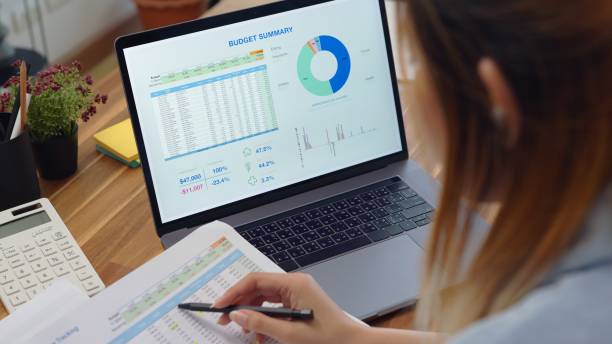
Small Business Expense Management For Owners: Separate Business and Personal Spending
One of the most important principles of Small Business Expense Management For Owners is keeping business and personal finances separate.
Using separate financial accounts for business activities can make bookkeeping and financial reporting considerably easier. It also helps you understand the true financial performance of your company.
When personal and business expenses are mixed together, it becomes difficult to answer basic questions such as:
- How much does the business actually cost to operate?
- How much profit did the company generate?
- Which expenses were business-related?
- How much money is available for reinvestment?
A dedicated business account, business payment method, and organized recordkeeping system can simplify financial management.
You should also maintain receipts and supporting records according to the applicable rules in your jurisdiction.
Small Business Expense Management For Owners: Build an Expense Budget
A budget provides a spending framework, making it an important part of Small Business Expense Management For Owners.
A basic monthly expense budget might look like this:
| Expense Category | Monthly Budget |
|---|---|
| Rent | $1,500 |
| Payroll | $6,000 |
| Marketing | $1,200 |
| Software | $400 |
| Utilities | $300 |
| Insurance | $350 |
| Transportation | $400 |
| Office Supplies | $250 |
| Other Expenses | $600 |
| Total | $11,000 |
The exact numbers will differ from business to business.
Once the budget is created, compare actual spending with the planned amount.
If marketing was budgeted at $1,200 but actual spending reached $1,800, investigate the reason. Perhaps the additional spending generated more customers. Alternatively, it may have resulted from poor campaign management.
A budget should be a management tool, not simply a document created at the beginning of the year.
Small Business Expense Management For Owners: Identify Unnecessary Costs
A major objective of Small Business Expense Management For Owners is finding expenses that do not provide enough value.
This does not mean cutting every expense.
Instead, ask:
Does this expense contribute to revenue, efficiency, customer satisfaction, compliance, or long-term growth?
For example, an accounting service may appear expensive, but if it saves significant administrative time and helps maintain accurate financial records, it may provide substantial value.
On the other hand, a software subscription that nobody uses may have little value.
Review recurring expenses such as:
- Software subscriptions
- Advertising platforms
- Memberships
- Cloud storage
- Communication services
- Office services
- Delivery contracts
- Professional subscriptions
A quarterly subscription audit can uncover costs that quietly continue month after month.
Small Business Expense Management For Owners: Control Operating Expenses
Operating expenses are the costs involved in running the business that are not directly tied to producing a specific product or service.
Examples include rent, utilities, marketing, administrative expenses, insurance, and technology.
Effective Small Business Expense Management For Owners requires regular monitoring of these costs.
One useful approach is to compare operating expenses with revenue.
If revenue increases by 10% but operating expenses increase by 30%, something deserves investigation.
The increase may be justified because the business is expanding, but it could also indicate inefficient spending.
Owners should look at expense trends rather than focusing only on individual transactions.
Small Business Expense Management For Owners: Reduce Costs Without Hurting Quality
Cost reduction is useful, but careless cost cutting can damage a business.
For example, reducing customer support staff may lower payroll but could increase customer complaints and cancellations. Choosing the cheapest supplier may save money but result in lower product quality.
Effective Small Business Expense Management For Owners focuses on value rather than simply choosing the lowest price.
Consider these strategies:
Negotiate With Suppliers:
If you regularly purchase materials or services, ask suppliers about volume discounts, longer-term agreements, or better payment terms.
Compare Vendors:
Review competing suppliers periodically. Even if you remain with your current provider, comparing alternatives gives you useful information.
Eliminate Waste:
Look for wasted materials, unused inventory, unnecessary printing, excessive packaging, or inefficient processes.
Review Recurring Services:
Cancel services that no longer contribute meaningful value.
Automate Repetitive Tasks:
Automation may reduce administrative time and allow employees to focus on higher-value activities.
The goal is to create a more efficient business, not simply a smaller expense list.
Small Business Expense Management For Owners: Manage Employee Expenses
Employee-related costs can represent one of the largest expense categories for many companies.
Small Business Expense Management For Owners should include clear policies for employee spending, reimbursements, travel, equipment purchases, and business-related subscriptions.
Create simple guidelines explaining:
- Which expenses are reimbursable
- Spending limits
- Required receipts
- Approval procedures
- Travel rules
- Payment deadlines
- Documentation requirements
Clear policies reduce confusion and make expense reporting easier.
For growing businesses, consider using digital expense management tools that allow employees to submit receipts and expense details electronically.
Small Business Expense Management For Owners: Monitor Cash Flow
Expense management and cash flow management are closely connected.
Even profitable businesses can experience cash shortages if too much money leaves the company before customer payments arrive.
Monitor:
- Current cash balance
- Expected customer payments
- Upcoming supplier payments
- Payroll
- Rent
- Loan repayments
- Taxes
- Recurring subscriptions
- Other upcoming obligations
A simple 30-, 60-, or 90-day cash flow forecast can help you identify periods when cash may become tight.
If you expect a cash shortage, you have more options when you discover it early.
You may be able to delay nonessential purchases, accelerate customer collections, negotiate payment terms, or adjust spending.
Small Business Expense Management For Owners: Use Expense Ratios
Looking at expenses in dollar amounts is useful, but percentages can provide additional context.
For example, suppose Business A spends $5,000 per month on marketing while Business B spends $2,000.
It may appear that Business B has better expense control.
But if Business A generates $100,000 in monthly revenue and Business B generates $10,000, the situation looks very different.
This is why owners should consider expense ratios.
A simple calculation is:
Expense Ratio = Specific Expense ÷ Revenue × 100
If a business generates $20,000 in revenue and spends $2,000 on marketing:
$2,000 ÷ $20,000 × 100 = 10%
Tracking ratios over time helps owners identify whether expenses are growing faster than revenue.
Small Business Expense Management For Owners: Review Expenses Monthly
Monthly reviews are one of the easiest ways to make Small Business Expense Management For Owners part of your regular routine.
At the end of every month, review:
- Total revenue
- Total expenses
- Largest expense categories
- Unexpected expenses
- Recurring charges
- Budget variances
- Cash flow
- Profit margin
- Outstanding payments
Ask yourself three simple questions:
- What did we spend more on than expected?
- What did we spend less on than expected?
- What should we change next month?
This turns expense tracking into an actionable process.
Small Business Expense Management For Owners: Use Technology
Technology can make Small Business Expense Management For Owners easier, particularly as transaction volume increases.
Depending on your needs, you can use:
- Accounting software
- Spreadsheet templates
- Receipt-scanning applications
- Expense tracking software
- Business banking tools
- Budgeting platforms
- Payroll systems
The right tool depends on your business size and complexity.
For a very small business with a limited number of transactions, a well-organized spreadsheet may be sufficient. A growing company may benefit from automated expense categorization and reporting.
The goal is to reduce manual work while improving accuracy.
Small Business Expense Management For Owners: Track Tax-Related Expenses
Organized expense records can make tax preparation easier.
Business owners should keep appropriate documentation for potentially deductible expenses according to the tax rules that apply to their business and location.
Common categories may include:
- Office expenses
- Business travel
- Advertising
- Professional services
- Business insurance
- Equipment
- Certain software costs
- Eligible business-related services
However, not every business expense is automatically deductible, and tax rules vary.
For complicated situations, consult a qualified tax professional.
Good business financial management means maintaining accurate records throughout the year rather than trying to reconstruct expenses at tax time.
Small Business Expense Management For Owners: Analyze Expense Variance
Another valuable strategy is comparing your budget with actual spending.
Suppose you budgeted $1,000 for advertising but spent $1,400.
The variance is $400.
Instead of immediately labeling it as a problem, investigate why.
Maybe the extra $400 produced $4,000 in additional sales. In that case, the higher expense may have been financially worthwhile.
But if the additional spending produced no meaningful result, you may need to reconsider the advertising strategy.
This type of analysis connects business expense tracking with better decision-making.
Small Business Expense Management For Owners: Set Spending Policies
Spending policies become increasingly important as a company grows.
A basic policy can establish:
- Who can approve purchases
- Maximum spending limits
- When multiple quotes are required
- How employees submit receipts
- Which payment methods should be used
- How reimbursements are processed
Clear policies reduce unauthorized or unnecessary spending.
For larger small businesses, approval levels can be based on the size of the purchase.
For example, routine purchases might require manager approval, while major equipment purchases may require owner approval.
Small Business Expense Management For Owners: Plan for Unexpected Expenses
Unexpected costs are unavoidable in business.
Equipment can break. Customers can leave. Suppliers can change their prices. Technology may need replacement. Repairs may suddenly become necessary.
A strong Small Business Expense Management For Owners strategy should include some financial protection against these events.
Building a business emergency reserve can help.
The amount depends on your business’s circumstances, but the general idea is to maintain enough accessible funds to handle essential expenses during a difficult period.
This financial cushion can reduce the need to immediately use high-cost borrowing when something unexpected happens.
Common Expense Management Mistakes Small Business Owners Make:
Several mistakes can weaken an otherwise healthy business.
Not Tracking Every Expense
Small transactions can add up over time.
Ignoring Recurring Charges
Automatic payments can continue for months or years without being noticed.
Cutting Valuable Expenses
Reducing spending without considering business impact can damage quality or growth.
Mixing Personal and Business Expenses
This makes accurate financial reporting much harder.
Failing to Compare Vendors
Businesses sometimes stay with the same supplier for years without checking whether better options exist.
Not Reviewing the Budget
A budget only becomes useful when actual spending is compared with it.
Focusing Only on Revenue
High revenue does not automatically mean high profitability. Expenses must be considered alongside sales.
Waiting Until Tax Season
Trying to organize a year’s worth of receipts and transactions at the last minute creates unnecessary stress.
Small Business Expense Management For Owners: Practical Monthly Checklist
Use this checklist to maintain better financial discipline:
- Record all business expenses
- Categorize transactions correctly
- Match receipts with transactions
- Review recurring subscriptions
- Compare actual expenses with the budget
- Investigate significant variances
- Review supplier costs
- Check employee reimbursements
- Monitor cash flow
- Review expense ratios
- Look for unnecessary spending
- Update financial forecasts
- Review upcoming expenses
- Set aside funds for future obligations
- Identify one cost-saving opportunity
This process does not have to take hours every week. A consistent routine can make expense management much easier.
Small Business Expense Management For Owners: Improve Profitability
The ultimate purpose of Small Business Expense Management For Owners is not simply to reduce the amount of money the company spends.
The larger goal is to improve the relationship between revenue, expenses, efficiency, and profit.
Suppose a company earns $50,000 in monthly revenue and spends $45,000. If careful expense management reduces unnecessary costs by $2,000, the company could potentially increase its remaining profit by that amount without increasing sales.
On the other hand, if an expense generates substantial additional revenue, removing it could actually hurt profitability.
This is why owners should evaluate expenses according to their business value.
A useful question is:
“What result am I getting from this expense?”
That simple question can change the way you manage business finances.
Small Business Expense Management For Owners: Build a Long-Term Strategy
Good expense management should become part of your company’s culture.
Create a habit of reviewing expenses regularly rather than only when money becomes tight.
Set monthly spending targets, monitor key expense categories, review supplier agreements, maintain accurate records, and compare financial results with your budget.
As the business grows, your financial systems should become more structured.
You can introduce:
- Approval workflows
- Automated expense reports
- Accounting integrations
- Monthly financial reviews
- Department spending limits
- Vendor performance reviews
- Quarterly budget revisions
A long-term approach helps prevent small financial problems from becoming major ones.
Closing Thoughts:
Small Business Expense Management For Owners is one of the most practical financial habits an entrepreneur can develop. When you know where your money is going, you can make more informed decisions about spending, pricing, hiring, marketing, expansion, and future investments.
Effective expense management does not mean refusing to spend money. A healthy business needs to invest in employees, technology, marketing, products, customer service, and other areas that support growth. The key is understanding what each expense contributes to the business.
Start with the basics: separate business and personal finances, track every expense, categorize transactions, create a realistic budget, review expenses monthly, and investigate unusual increases. Over time, these simple habits can significantly improve your business financial management.
Remember that profitability depends on more than increasing sales. Controlling unnecessary costs and using business resources efficiently can be just as important. With consistent monitoring and smart decision-making, small business owners can build stronger financial foundations and create more room for sustainable growth.
Take Control of Your Business Expenses Today:
Don’t wait until your expenses become difficult to manage. Start your Small Business Expense Management For Owners strategy today by reviewing your last month’s expenses and identifying your three largest spending categories.
Ask yourself which expenses are essential, which support growth, and which could be reduced or eliminated. Then create a simple monthly budget and track your actual spending against it.
Better expense management starts with knowing your numbers. Take the first step today, organize your business expenses, and turn your financial data into smarter decisions for long-term business success.
FAQ About Small Business Expense Management For Owners:
What is Small Business Expense Management For Owners?
Small Business Expense Management For Owners is the process of tracking, categorizing, reviewing, controlling, and planning business expenses. It helps owners understand spending patterns, manage cash flow, protect profit margins, and make better financial decisions.
Why is expense management important for small businesses?
Expense management helps businesses control unnecessary spending, improve profitability, maintain better cash flow, create accurate budgets, and identify financial problems before they become serious.
What expenses should a small business track?
A small business should track all legitimate business-related expenses, including payroll, rent, inventory, marketing, software, utilities, insurance, transportation, professional services, equipment, and other operating costs.
How can small business owners reduce expenses?
Owners can reduce expenses by reviewing subscriptions, negotiating with suppliers, comparing vendors, reducing waste, improving processes, monitoring employee spending, and eliminating costs that do not provide sufficient business value.
What is the best way to track business expenses?
The best method depends on the size and complexity of the business. A spreadsheet can work for a small company with relatively few transactions, while growing businesses may benefit from accounting or expense tracking software.
How often should business expenses be reviewed?
Monthly reviews are a practical choice for most small businesses. A more frequent review may be appropriate for companies with high transaction volumes or tight cash flow.
Is reducing expenses always good for a business?
No. Cutting expenses without considering their value can hurt business performance. The objective should be to eliminate waste and improve efficiency while protecting expenses that contribute to revenue, customer satisfaction, compliance, or growth.

Naeem Iqbal is the founder and lead writer at SmartWebCreator.org, a resource dedicated to helping aspiring entrepreneurs launch profitable small businesses on a budget of $1,000 or less. With a focus on practical, research-backed guidance, Naeem Iqbal researches real-world startup costs, regulatory requirements, and growth strategies across dozens of low-investment business models — from food service to home-based ventures.
Every guide on SmartWebCreator.org is written to help beginners avoid costly mistakes, understand legal requirements, and build a realistic path from idea to income — without needing a large upfront investment.
📧 Contact: webcreator2474@gmail.com
🌐 Website: smartwebcreator.org


Pingback: Financial Planning For Small Business
Pingback: Profit and Loss Budget Statement