
Mobile Car Detailing Business in the USA: Costs, Licenses, and Pricing
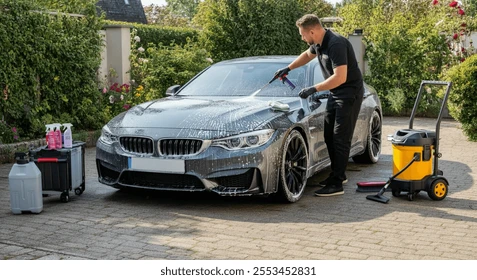
Car owners are busy, and many would rather pay someone to make their vehicle look new than spend a Saturday doing it themselves. That’s the opening a mobile car detailing business fills. You drive to the customer, bring your own equipment, and turn a dirty car into a clean one in a few hours.
The business is attractive because the startup cost is a fraction of what a shop requires, and a good detailer can earn solid money per job. But it isn’t just a pressure washer and a bucket. You’ll need the right equipment, insurance that actually covers customer vehicles, and a plan for wash water, which is one of the most overlooked legal issues in this trade.
Quick Answer: Mobile Car Detailing at a Glance
| Topic | What to know |
|---|---|
| Startup cost (lean) | About $1,000 to $2,500 |
| Startup cost (professional) | About $5,000 to $15,000 |
| Typical full detail price | Roughly $225 to $500 |
| Hourly benchmark for solo detailers | About $70 to $110 per hour |
| Typical jobs per day | 2 to 3 full details |
| License | Business license, often $50 to $200, plus local permits |
| Key insurance | General liability and garage keepers |
| Biggest legal issue | Wash water and storm drain rules |
What Is a Mobile Car Detailing Business? Mobile Car Detailing Business
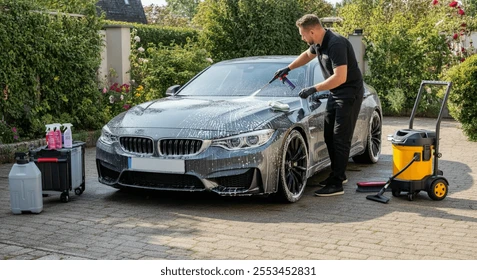
Mobile detailing means traveling to the customer’s location, such as a home, office, or apartment complex, and cleaning the vehicle using your own tools and, if needed, your own water and power. A detail goes far beyond a car wash. It includes deep interior cleaning, paint decontamination, polishing, waxing or sealing, and often add-ons like pet hair removal or headlight restoration.
You carry everything with you: a pressure washer, a water tank, a generator or power inverter, a wet/dry vacuum, polishing tools, brushes, and chemicals.
Is a Mobile Car Detailing Business Profitable? Mobile Car Detailing Business
It can be, because detailing has low material costs compared with the price customers pay. According to Plyrium’s 2026 guide, a $200 full detail typically uses about $8 to $18 in supplies, and the guide’s hourly benchmark for solo detailers is about $70 to $110 per hour. Start-Costs, another industry resource, reports that mobile detailing margins often run 50% to 70%.
The catch is time. Because of travel, mobile detailers often cap out at about two to three full details per day, according to StartCosts. So your income depends on your price per job, how many jobs you can book, and how well you manage your schedule.
Sample Income Scenarios (Planning Examples Only): Mobile Car Detailing Business
| Scenario | Jobs per week | Average price | Weekly gross | Monthly gross |
|---|---|---|---|---|
| Part-time (weekends) | 4 | $200 | $800 | about $3,200 |
| Full-time | 10 | $225 | $2,250 | about $9,000 |
These are gross figures before supplies, fuel, insurance, taxes, and slow weeks. Treat them as planning examples, not guarantees. Real income depends on your market, skill, and how fast you can build repeat customers.
How Much Does It Cost to Start a Mobile Car Detailing Business?
Estimates vary a lot because it depends on how much equipment you buy and whether you already have a suitable vehicle.
- Lean setup: Jim’s 2026 guide puts a mobile setup at about $1,000 to $2,500, covering equipment, supplies, and first-month insurance.
- Wider range: Invoice-fly cites $2,000 to $10,000 for mobile startups.
- Professional setup: Start-Costs puts it at $5,000 to $15,000, assuming you have a suitable vehicle. Its “scrappy start” figure is $500 to $3,000.
Equipment and Cost Ranges:
| Item | Budget range | Professional range |
|---|---|---|
| Pressure washer | Varies | Varies |
| Wet/dry vacuum | Varies | Varies |
| Generator (3,000W+ inverter style) | $300 to $800 | $800 to $2,500 |
| Water tank (50 to 100 gallons) | $50 to $150 | $100 to $300 |
| Brushes, applicators, clay bars | $50 to $100 | $100 to $250 |
| Polisher and extractor | Varies | Varies |
| Ceramic coating kits (if offered) | $100 to $300 per kit |
Jim’s guide notes that a van or a truck with a camper shell offers the space for a 100-gallon water tank and a generator, and that a reliable 3,500-watt generator can cost about $400 to $800.
Ways to Keep Startup Costs Down:
- Offer a “customer provides water and power” option so you don’t need a generator and tank on day one. Plyrium notes you only need them if customers don’t have power available.
- Buy used or refurbished equipment.
- Buy chemicals in concentrate. Detail King says concentrates in 5-gallon drums can cut cost per ounce by 50% to 70%.
- Start with a smaller service menu and add products like ceramic coatings later.
- Reinvest early profits into better gear.
Do You Need a License for a Mobile Car Detailing Business?
Requirements vary by city and state, but plan for these:
- Business license: Start-Costs lists a business license at about $50 to $200.
- DBA or LLC: If you want liability separation, read our guide on whether you need an LLC for a small business.
- EIN: Free from the IRS and useful for opening a business bank account.
- Local permits: Some places require a mobile vendor permit or a wastewater permit.
- Sales tax: Rules vary. Some states tax car wash or detailing services, so check with your state’s department of revenue.
Always call your city’s business licensing office before your first job. In Escondido, California, for example, mobile detailers must get a business license, and the application process includes a demonstration of required wash-water practices.
Wash Water Rules: The Legal Issue Most New Detailers Miss
This is where many beginners get into trouble. Under the federal Clean Water Act, discharging pollutants into storm drains or waterways is restricted, and many cities enforce this strictly against mobile detailers.
Examples from local governments:
- The City of Rancho Santa Margarita, California says it is unlawful for wash water from mobile detailers to enter storm drains.
- The City of Escondido requires mobile detailers to contain and recover wash water using a berm and vacuum system, and to dispose of it into landscaping or the sewer system where permitted.
- The City of Las Cruces says mobile washers must use portable containment mats to keep wastewater out of streets and storm drains.
Start Costs also notes that California and Florida have strict water reclamation requirements for mobile detailing.
Practical steps to stay compliant: Mobile Car Detailing Business
- Check your city’s storm-water rules before you wash anyone’s car.
- Use a containment mat or berm with a wet/dry vacuum to collect wash water.
- Protect nearby storm drains with covers or barriers.
- Dispose of collected water properly, such as into a sanitary sewer connection, not a street gutter.
- Use low-water or waterless methods when possible, and choose less hazardous products.
- Keep your containment gear in your vehicle at all times.
Fines for violations can be significant, so treat this as a core business cost, not an afterthought.
What Insurance Does a Mobile Detailer Need? Mobile Car Detailing Business
Your customers are handing you something worth thousands of dollars. Insurance is part of the deal.
- General liability insurance: Covers property damage and injury to others. Start Costs lists about $40 to $70 per month.
- Garage-keepers insurance: Often needed to cover customer vehicles while they’re in your care. Start-Costs lists about $100 to $300 per month, and says it covers customer vehicles. General liability policies often exclude damage to the vehicle you’re working on, so ask your insurer exactly what’s covered.
- Commercial auto insurance: If you use your vehicle for the business.
- Equipment coverage: For your generator, polisher, and other gear.
- Workers’ compensation: Once you hire help.
One 2026 estimate puts combined general liability and garagekeepers at about $125 to $370 per month. Compare quotes from insurers who understand mobile detailing.
For more background, read our guides on small business liability insurance in the USA and home-based business liability insurance. If a dealership, apartment complex, or fleet customer asks for proof of coverage, see how to get a certificate of insurance.
What Services Should You Offer? Mobile Car Detailing Business
Start with a short, clear menu. Detail King’s guide gives these example price ranges: an exterior detail at about $60 to $150, an interior detail at about $80 to $200, and a full interior and exterior detail from about $225 to $500 (per Start Costs).
A simple three-package menu works well:
| Package | What it includes | Typical focus |
|---|---|---|
| Basic | Exterior wash, wheels, tires, quick interior vacuum and wipe-down | Regular maintenance |
| Full detail | Deep interior clean, exterior wash, clay bar, wax or sealant | Your best seller |
| Premium | Full detail plus paint correction or protection | Higher-value customers |
Popular add-ons:
- Pet hair removal
- Odor removal
- Headlight restoration
- Engine bay cleaning
- Ceramic coating (kits run roughly $100 to $300, per Plyr-ium)
How Much Should You Charge?
Price based on your costs, your time, and what your market supports. Plyr-ium reports that mobile detailers commonly charge about 10% to 20% more than comparable shop prices because customers value the convenience.
A simple pricing formula:
(Hourly rate × estimated hours) + supplies + travel cost + profit margin
Pricing tips:
- Price by vehicle size and condition. A neglected SUV with pet hair can take far longer than a clean sedan. Plyr-ium notes that fixed menu pricing often loses money for exactly this reason.
- Use “starting at” prices and confirm the final quote after seeing the vehicle.
- Set a minimum fee and a travel fee for jobs far from your base.
- Take a deposit for large jobs to reduce no-shows.
- Offer maintenance memberships for monthly or biweekly washes to build recurring income.
Before you finalize prices, check your local market with the free market research tools for startups we reviewed.
How Do You Find Your First Customers?
- Create a Google Business Profile. Add your service area, photos, and hours. This is one of the most powerful free tools for local searches.
- Post before-and-after photos on Instagram, Facebook, and Tik-Tok. Detailing is highly visual.
- Join local Facebook groups and Next-door.
- Partner with local businesses: car dealerships, used car lots, apartment complexes, and offices that allow workplace detailing.
- Pursue fleet and commercial clients, such as rideshare drivers, delivery fleets, and small companies.
- Ask for reviews after every job.
- Offer a referral reward for each new customer.
- Leave a branded card or sticker with every customer.
Step-by-Step: How to Start a Mobile Car Detailing Business
- Research your market. Check competitors’ prices and services in your area.
- Choose your business structure. Sole proprietor, DBA, or LLC.
- Register your business and get a license. Call your city to check mobile vendor and wastewater rules.
- Get insurance. General liability, garage-keepers, and commercial auto if needed.
- Buy your equipment. Start lean and focus on a reliable pressure washer, vacuum, generator or inverter, and a water tank if needed.
- Set up water containment. Buy a mat or berm and a wet/dry vacuum.
- Create your service menu and pricing.
- Build your online presence. Google Business Profile, simple website or booking page, and social media.
- Practice on friends’ and family’s cars, and take before-and-after photos.
- Book your first customers and collect reviews.
How Do You Run Day-to-Day Operations?
- Take photos before every job to document existing scratches or damage. This protects you from disputes.
- Use a checklist for each package so quality stays consistent.
- Schedule realistically. Plan for travel time, and don’t overbook. Two or three quality details beat five rushed ones.
- Plan for weather. Have a rain policy, and consider offering interior-only services on bad days.
- Be safe. Use protective gear with chemicals, keep electrical equipment dry, and store chemicals properly.
- Send reminders and accept card or mobile payments.
- Maintain your equipment regularly.
What About Taxes?
As a sole proprietor, you’ll owe income tax plus self-employment tax on net profit, and you may need to make quarterly estimated payments. Keep receipts for supplies, equipment, insurance, and business mileage. If you ever need to correct a return or claim an overpayment, our tax refund process guide explains the steps.
Common Mistakes to Avoid:
- Ignoring wash water rules. Fines can be costly.
- Skipping garage-keepers insurance and assuming general liability covers customer vehicles.
- Underpricing. Low prices make it hard to cover travel time, supplies, and your own wages.
- Flat pricing every car the same. Condition changes the time required.
- Overbooking and delivering rushed work.
- Not documenting vehicle condition before starting.
- Buying expensive gear too early.
- Mixing personal and business money.
- Neglecting reviews and photos, which are your best marketing.
Final Thoughts:
A mobile car detailing business in the USA is a realistic, low-overhead way to build your own company. You can start lean, price based on condition and time, and grow through reviews and repeat customers. The details that separate a good business from a risky one are mostly behind the scenes: proper insurance, a wash water plan, clear pricing, and documenting every vehicle.
Start small, stay compliant, and let your before-and-after photos do the selling.
Take Action Today:
Take three steps this week. Call your city to ask about mobile detailing license and wash water rules, get quotes for general liability and garagekeepers insurance, and price out a basic starter kit. Then detail two friends’ cars and photograph the results for your Google Business Profile. Save this guide so you can follow the steps as you build.
Experience and Expertise:
Why you can trust this guide: I’ve been writing about business and personal finance for three years, and this site focuses on practical small business ideas you can start on a small budget. I build these guides from current cost data, local government rules, and small business resources, and I flag where numbers change by city and state. This guide is for general education and is not legal, tax, or financial advice.
Sources and Further Reading:
- Jim, How to Start a Car Detailing Business (2026): https://jim.com/blog/how-to-start-a-car-detailing-business
- StartCosts, Auto Detailing Startup Costs: https://startcosts.com/guides/auto-detailing-startup-costs
- Plyrium, How to Start an Auto Detailing Business: https://www.plyrium.com/academy/auto-detailing/how-to-start-from-scratch
- Detail King, How to Start a Detailing Business: https://blog.detailking.com/how-to-start-a-detailing-business/
- City of Escondido, Mobile Vehicle Washing: https://www.escondido.gov/DocumentCenter/View/4150
- City of Rancho Santa Margarita, Best Management Practices for Mobile Detailers: https://www.cityofrsm.org/DocumentCenter/View/438/Mobile-Detailers-PDF
- City of Las Cruces, Commercial Car Wash and Auto Detailing: https://lascruces.gov/wp-content/uploads/2024/05/Commercial-Car-Wash-and-Auto-Detailing-PDF.pdf
- U.S. EPA, Clean Water Act and NPDES: https://www.epa.gov/npdes
- IRS, Self-Employed Individuals Tax Center: https://www.irs.gov/businesses/small-businesses-self-employed/self-employed-individuals-tax-center
- Your own city’s stormwater program and business license office
Transparency Note:
This article is for general information only. I have no financial relationship with any equipment supplier, insurer, or service mentioned. [Agar affiliate links hon to likhein: “Some links may be affiliate links.”] Prices and rules vary by location, so confirm details locally.
How this guide was prepared:
This guide is based on 2026 startup guides, detailing industry resources, and city stormwater rules. Costs, licenses, and water regulations vary by state and city, so confirm local requirements before you start. This article is for general education and is not legal, tax, or financial advice.
Frequently Asked Questions:
How much does it cost to start a mobile car detailing business?
A lean setup typically costs about $1,000 to $2,500, while professional setups can run $5,000 to $15,000, depending on equipment and whether you already have a vehicle.
Do I need a license to start a mobile detailing business?
Usually yes. Most places require a business license, often $50 to $200, and some cities add mobile vendor or wastewater requirements.
Do I need a water tank and generator?
Only if customers can’t provide water and power. Many beginners start by using the customer’s supply and add a tank and generator later.
Can I wash cars in a customer’s driveway?
Often yes, but you must keep wash water out of storm drains. Many cities require containment mats and vacuum recovery.
What insurance do I need?
General liability and garagekeepers insurance are the key policies. Add commercial auto if you use a vehicle for the business.
How much can a mobile detailer make?
It depends on your prices and jobs per week. Industry sources suggest hourly benchmarks of about $70 to $110 for solo detailers, with two to three full details per day as a typical limit.
Should I form an LLC?
It can help separate personal and business liability, but many owners start as sole proprietors. Learn the trade-offs before you decide.
What’s the best way to get customers?
Start with a Google Business Profile, before-and-after photos, local groups, and partnerships with dealerships, apartment complexes, and fleets.

Author is the founder and lead writer at SmartWebCreator.org, a resource dedicated to helping aspiring entrepreneurs launch profitable small businesses on a budget of $1,000 or less. With a focus on practical, research-backed guidance, Naeem Iqbal researches real-world startup costs, regulatory requirements, and growth strategies across dozens of low-investment business models — from food service to home-based ventures.
Every guide on SmartWebCreator.org is written to help beginners avoid costly mistakes, understand legal requirements, and build a realistic path from idea to income — without needing a large upfront investment.
📧 Contact: webcreator2474@gmail.com
🌐 Website: smartwebcreator.org